


A few months ago, I went on a work adventure through Paris and Athens. It was a long, full experience, filled with amazing conversations, museum visits, and so much more. However, Paris stayed with me longer than I expected. Not just the food, although it was amazing. Not the art, but of course it was deeply inspiring. It was the feeling of the city itself, the particular quality of its light in the early morning, the way the streets seem to hold memory in their stones, the sense that Paris has an identity, a unique fingerprint.
Which led me to a question I couldn’t put down. What if our identities work the same way? Not as a fixed set of traits, not as a job title or a résumé, but as a place. Somewhere with a texture, a topography, a particular quality of light. If you had to describe your identity as a city, what would you say? And why?
There’s a name for what I was circling. The environmental psychologist Harold Proshansky called it “place-identity,” the dimensions of self that get formed in relationship to physical settings. The ideas, feelings, values, and tendencies that specific environments lay down inside us. His observation was strange and simple at once. We don’t just live in places. The places live in us. We carry them long after we leave.
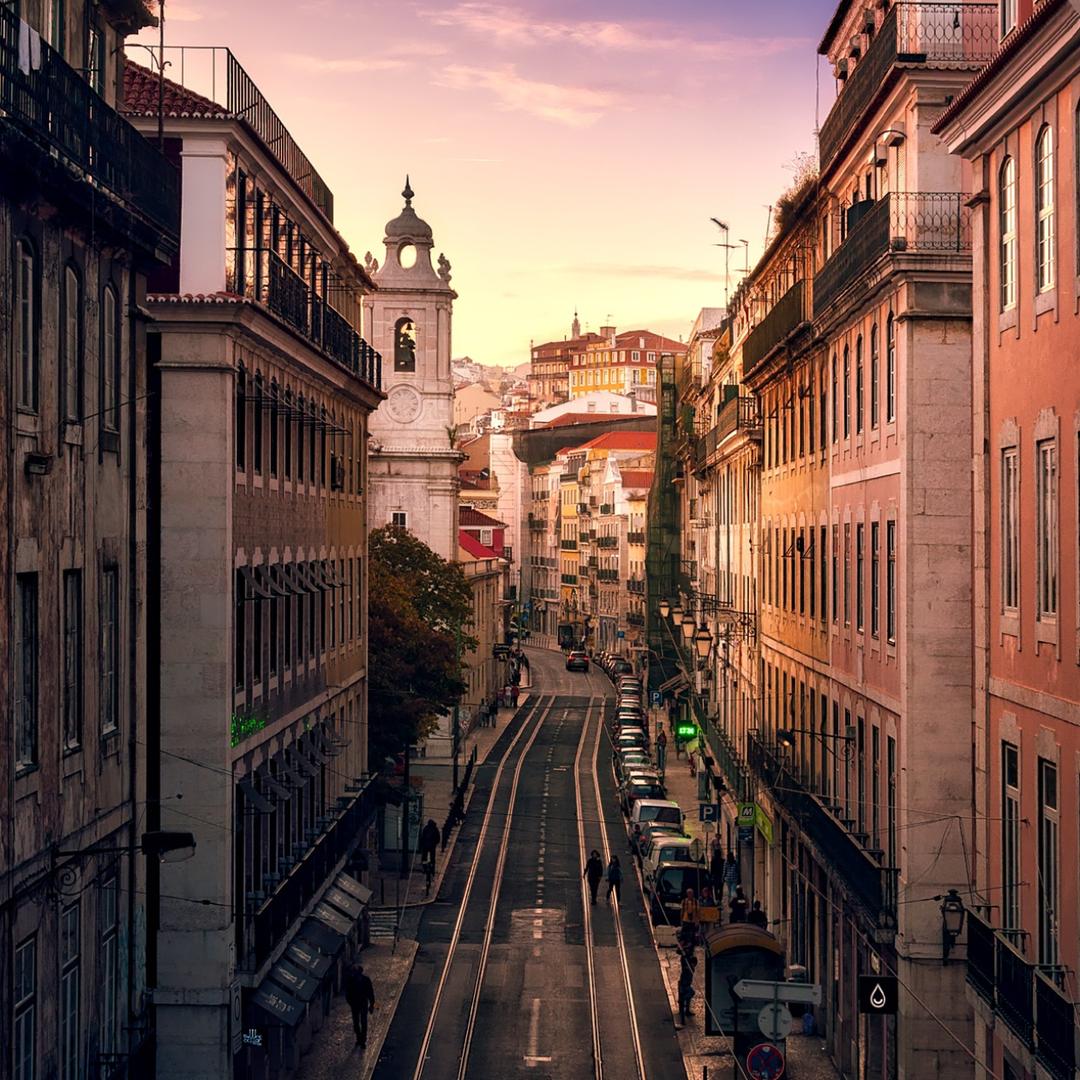
I sat with the question for a few days before an answer came. It wasn’t Paris, even though Paris had asked it of me. The city that surfaced was Lisbon.
Not the obvious Lisbon, the headline city people rush through on a long weekend. The Lisbon that reveals itself slowly, layer by layer, if you’re willing to wander. From a distance, it looks calm, almost understated. But once you step in, you realize it’s built on depth. Hills that require effort and intention, and a rhythm that invites you to pause rather than rush.
Lisbon holds history and reinvention at the same time. It doesn’t erase what came before; instead, it integrates it. Fado music carries longing and beauty in the same breath. It’s a city that understands melancholy and joy can coexist without needing to be resolved.
And then there’s the light. Lisbon is known for a kind of luminosity that softens edges and reveals texture. It doesn’t overwhelm. It illuminates. A place that doesn’t try to impress at first glance, but once you experience it, you realize it’s been shaping you the whole time.
This is not just the description of a city. This is the description of how transformation actually works. Not loudly nor all at once. Slowly, through accumulated light.
I’ll admit something. Before the answer came, I tested the question on an AI to see what it would do with it. I expected the average — the safe, statistically familiar answer that most models default to. Instead, it surprised me. It reached for something with texture. The exercise told me less about the AI than about the question itself. A good question has a way of refusing the polished answer, no matter who is being asked.
That’s the harder challenge for all of us. Not to generate an answer, but to inhabit one. To name, with specificity and honesty, what kind of place we actually are. Not the curated version we send ahead of ourselves into rooms we haven’t entered yet.
The Streets You Don’t Show Visitors
A piece in Psychology Today by Aigerim Alpysbekova sharpened the question for me. She writes that identity isn’t a fixed self. It’s a stack of roles we learned in order to survive. Many of the patterns we mistake for personality, the one who manages everything quietly, the one who always stays calm, the one who gives more than they receive, are not preferences. They’re protection strategies that made sense at the time and became habits long after the original threat was gone.
The discomfort she names is the right starting point. Not the polished city on the postcards. The neighborhood you don’t show visitors. The streets that smell like something you have never quite named. The part of the landscape that doesn’t make it into the brochure, but that is, somehow, the most you. This is where Lisbon stopped being a metaphor and started being a working theory.
In 1755, an earthquake leveled nine in ten of Lisbon’s buildings. The city did something remarkable in the rebuild: rather than clearing the rubble, the architects compressed it beneath the foundation of the new city. When subway tunnels were dug centuries later, archaeologists found the old Lisbon literally compacted under the new one. The new city stands atop what collapsed. Identity works the same way. The new self isn’t built by erasing what came before, including the protection strategies that no longer fit. It’s built by compressing them into the foundation, so the next version of you stands taller because of them, not despite them.
A Question Worth Sitting With
So I want to leave you with the question I have been carrying since Paris:
If your identity were a city, what would it be? And what does your answer tell you about where you actually are? Not the place you are performing from, but where you are truly living from.
Maybe it’s a grand capital with layers of history you’re still excavating. Maybe it’s a small coastal town where things move slowly, and the light hits the water at an angle you’ve never been able to describe. Maybe it’s two cities at once, a combination that’s entirely yours and not quite mappable. The answer isn’t the point. The willingness to ask is. The leaders I admire most are not the ones who have perfected their branding. They are the ones who know which street they actually live on and are not afraid to take you there.
If this sparked something for you, a new question, a new perspective, or a quiet knowing, you don’t have to explore it alone.
Join my newsletter
Or book time to connect.