


What if some of the assumptions shaping your life aren’t actually truths?
What if they’re simply stories you’ve learned to believe?
Ideas about success. Leadership. Who you’re supposed to be. What a meaningful life should look like. Over time, these ideas can become so familiar that we stop seeing them as choices. They become invisible boundaries around what we believe is possible.
But growth has a way of challenging those boundaries.
In this special episode of The Virtual Campfire, Tony Martignetti brings together two remarkable voices, Kelly Wendorf and Whitney Johnson,whose stories reveal what can happen when we become willing to question the familiar, challenge our assumptions, and disrupt the way we think.
Because sometimes changing your life doesn’t begin by changing what you do.It begins by changing what you believe is possible.
When the Story You’ve Been Given No Longer Fits
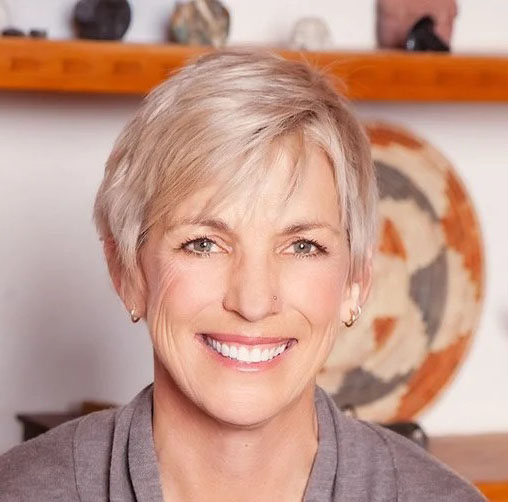
Kelly Wendorf began questioning conventional ideas about life long before she had language for what she was doing.
At seven years old, she traveled to Ethiopia with her archaeologist father. There, an Oromo warrior was asked to look after Kelly and her brother while their father worked in the field.
They didn’t share a language. Came from entirely different cultures and generations.
Yet some how formed a profound connection.
For Kelly, the experience challenged many of the assumptions she had absorbed about race, class, culture, and what it meant to be human. Their friendship and an emotional goodbye she would never forget, opened her to a different understanding of connection and humanity.
It also planted a question that would follow her throughout her life:
What if the way I’ve been taught to see the world isn’t the only way to see it?
Coloring Outside the Lines
That early experience set Kelly on an unconventional path.
She sought wisdom from spiritual teachers in India. Then questioned accepted ideas about parenting and childbirth. Kelly went on to study with Aboriginal elder Uncle Bob Randall and explored teachings about our relationship with ourselves, one another, and the natural world.
Again and again, she found herself returning to the same fundamental question:
Who are we underneath everything we’ve been taught we should be?
For Kelly, disrupting our thinking isn’t about rejecting convention simply for the sake of being different. It’s about examining the beliefs, expectations, and structures we’ve inherited closely enough to decide whether they genuinely belong to us.
Sometimes the life we are trying so hard to fit into is simply too small.
We Are Verbs, Not Nouns
Transformation, Kelly reminds us, is never really finished.
As she puts it, “We’re verbs. We’re not nouns.”
This distinction matters.
The moment we permanently define ourselves by a job, a role, an accomplishment, an expectation, or even our own history, we can accidentally begin defining who we are not allowed to become.
Growth asks something different of us.
It asks us to remain curious.
To recognize when our lives have drifted away from our values. Distinguish between challenges that help us grow and challenges created because we’re trying to live someone else’s version of our life.
And perhaps most importantly, pay attention when something inside us says: This no longer fits.
Listening to the Discomfort
The world is constantly telling us who we should be.
Our careers should look a certain way. Success should happen on a particular timeline. We should achieve certain things, want certain things, and eventually settle comfortably into the identities we’ve created.
But what happens when those identities stop fitting?
Kelly suggests that feelings of tightness, diminishment, or discomfort can sometimes be useful signals, invitations to examine whether a belief, habit, or expectation has become too limiting.
Instead of immediately asking, “How do I make myself fit this life?” perhaps another question is worth considering:
Does this life still fit me?
What Do I Actually Want?
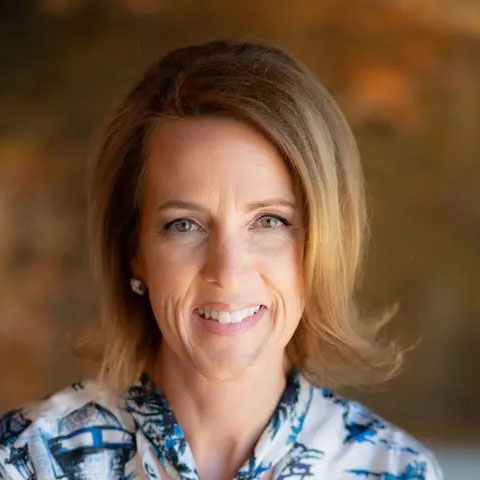
Whitney Johnson’s story approaches disruption from another direction.
After graduating from college as a music major, Whitney originally hoped to become a flight attendant. She didn’t get the job.
At the time, it was disappointing.
Looking back, she sees it differently.
Sometimes the thing we desperately want isn’t necessarily the thing that will allow us to make our greatest contribution.
After moving to New York, Whitney began working as a secretary on Wall Street. She needed a job. She had few obvious qualifications for finance. And was starting at the bottom.
Then something changed. Not her circumstances. Her thinking.
Whitney began asking herself what was actually possible — and what she genuinely wanted.
She took classes at night. A boss recognized her potential. Moved from secretary to banker and eventually became a successful equity analyst.
The world around her hadn’t suddenly become easier.
She had changed the story she was telling herself about what was possible within it.
Disrupting Success
Eventually, Whitney co-founded the Disruptive Innovation Fund with Clayton Christensen and began applying ideas about disruption, momentum, and growth in an entirely new direction.
She realized she was becoming more interested in the momentum of people than the momentum of stocks.
That realization ultimately presented her with an uncomfortable choice.
She had already succeeded.
In addition to that had built expertise, credibility, and an identity around investing. Walking away from something that was working didn’t necessarily make rational sense.
And that is precisely what made the decision difficult.
Because sometimes the hardest thing to disrupt isn’t failure.
It’s success.
Growth doesn’t always arrive because something has gone wrong. Sometimes it arrives as the quiet recognition that something else is calling us forward.
Growth Is Our Default Setting
Whitney eventually turned her attention toward understanding how people grow.
Ideas from disruptive innovation became tools for thinking about individual development. The S-curve became a way of understanding learning. And disruption became not simply a business concept, but a mechanism for personal growth.
Underneath all of it is a remarkably hopeful idea:
Growth is our default setting.
We want to learn and make progress. And we want to discover what we’re capable of becoming.
But growth doesn’t happen in isolation.
Teachers, mentors, bosses, colleagues, friends, and family members can become what Whitney describes as “keystone species” in our lives — people whose presence helps make our growth possible.
And as we grow, another responsibility emerges.
We become those people for someone else.
Question What You Know
Kelly Wendorf reminds us that some of the beliefs shaping our lives were handed to us long before we ever thought to question them.
Whitney Johnson reminds us that even after we find success, growth may ask us to question ourselves again.
Together, their stories offer a different way of thinking about disruption.
Disruption doesn’t require us to reject everything we know.
It asks us to remain curious enough to wonder whether what we know still serves who we are becoming.
Because our patterns, identities, or even our success can become comfortable.
And growth rarely asks us to stay exactly where we are.
Sometimes it begins with a question.
Possibly with discomfort.
Or, the quiet realization that the life we’ve built has become too small.
The first thing we need to disrupt is certainty.
In This Episode, You’ll Explore
- How inherited beliefs can quietly shape our identity and choices
- Why Kelly Wendorf’s childhood experience in Ethiopia transformed the way she understood human connection
- The difference between meaningful challenge and living outside your own values
- Why questioning familiar definitions can create room for something new
- How Whitney Johnson went from music major and secretary to Wall Street analyst
- Changing what we believe is possible can change the direction of our lives
- Success itself can sometimes become something we need to disrupt
- How personal disruption creates momentum for growth
- The importance of the people who help make our growth possible
- Staying curious may be one of the most important practices of transformation
A Question to Take With You
What belief about who you are, or who you’re supposed to be, might be ready to be questioned?
About This Special Series
This special series of The Virtual Campfire is inspired by the themes of Tony Martignetti’s book, Campfire Lessons for Leaders. Each episode revisits powerful conversations with remarkable people whose stories illuminate transformation, courage, growth, and what becomes possible when we are willing to see ourselves differently.
important episode Links
Kelly Wendorf’s Links
Kelly’s Personal Website
Kelly Wendorf
Kelly’s Company Website
EQUUS
Kelly’s Book
Flying Lead Change: 56 Million Years of Wisdom for Leading and Living
Whitney Johnson’s Links
Whitney’s LinkedIn
Whitney Johnson
Whitney’s Company Website
Disruption Advisors
Whitney’s Books
Disrupt Yourself
Smart Growth